






Most hunters pack for a trip by stuffing a backpack until it’s full, then hoping they grabbed the right gear. When they walk away from camp on a stalk and conditions change, they’re either hauling too much or missing what they need most.
The military solves this problem with a system called line gear, a tiered approach that organizes every piece of kit by priority. Applying this concept to your hunting setup helps you refine gear lists, adapt to changing field conditions, and survive even if you can’t make it back to camp.

What Line Gear Means for Hunters
Line gear breaks your equipment into three tiers based on how close the gear stays to your body and how important it is to your survival and mission success.
- First line gear: Highest priority. Items on your body at all times.
- Second line gear: Items you carry on a stalk or side mission. Important, but not always physically attached to you.
- Third line gear: Everything in your main pack at base camp. Creature comforts and extended-trip supplies.
The hierarchy forces you to answer a simple question: If you walk away from everything except what’s on your body right now, can you survive?
The survival rule of threes helps you prioritize within each line.
First Line Gear: What Never Leaves Your Body
First line gear is your clothing, anything in your pockets, and, for most hunters, your optics harness.
Your optics harness earns first-line status because it goes on before you leave camp each morning and doesn’t come off until you’re back in your tent at night. It’s an extension of your clothing.
Inside that harness and your pockets, carry a small but deliberate set of survival items:
- Cell phone and satellite communicator
- Optics (binoculars, rangefinder)
- Signal panel
- Small fire starter and ferro rod
- Compass
- Energy gel
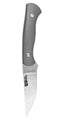
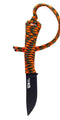
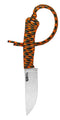
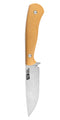
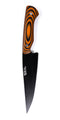
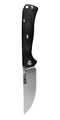
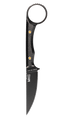
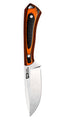
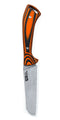
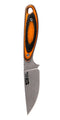
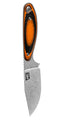
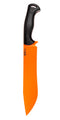
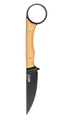
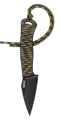
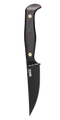
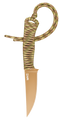
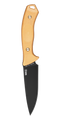
- Knife
With these items and your clothing, you have the minimum kit to survive if you get separated from the rest of your gear. That’s the standard: If the world falls apart and you can’t get back to your pack, your first line gear keeps you alive, assuming you’ve trained to work with minimal equipment.
Your signal panel is one of the most overlooked first-line items. Learn more about primitive survival signaling tools and why they matter.
Second Line Gear: Your Stalk and Day-Mission Kit
Second line gear covers items you pull from your pack for specific field tasks but may not always have on your body.
Your possibles pouch is the backbone of your second line. Clip it to your waist when you drop your pack to stalk a mule deer, collect water, or push into a drainage. It carries the seven capabilities needed for short-duration separation from base camp.
Depending on conditions, supplement your possibles pouch with a stalking pack carrying:
- Puffy jacket
- Rain gear
- Water bottle
- Additional food or calories
The contents depend on the person, the environment, and the situation. A cold, rainy day pursuing a mule deer across an exposed basin demands different second-line items than a warm morning stalking pronghorn on flat prairie.
The point of second line gear is extending your time away from camp without carrying your full pack. You’ve invested time, money, and vacation days into this hunt. Don’t let a light rain, a temperature drop, or an empty water bottle push you off an animal you’ve spent hours working.
For a full breakdown of what goes inside your second-line kit, read the backcountry possibles pouch guide.

Third Line Gear: Base Camp Comforts
Third line gear is everything in your main backpack: tent, sleeping bag, camp stove, water filter, extra food, sleeping pad.
These items are important for sustained backcountry trips, but they’re the lowest priority in the line gear hierarchy. You may walk away from camp at dawn, kill a bull, and not make it back before dark. That’s fine, because your first and second line gear keeps you capable and alive until you return.
When you get back to camp, you’ll appreciate every third-line item. A warm sleeping bag, a hot drink, shelter from the wind. These comforts recharge you for the next day’s hunt, but they’re not worth hauling on every stalk.
Get the most out of your third-line shelter setup with a guide to backcountry sleep systems.
How Line Gear Improves Your Hunting Preparation
Thinking in terms of first, second, and third line gear changes the way you build gear lists and make field decisions.
Instead of a single packing list for the whole trip, you’re organizing by priority and proximity to your body. Every item has a designated tier. Every tier has a clear purpose.
This system helps you:
- Refine what goes into your optics harness, pockets, and possibles pouch
- Build smarter stalking packs matched to specific conditions
- Avoid overpacking your main backpack with redundant items
- Adapt quickly when conditions change mid-hunt
The hunter who organizes gear by line priority moves through the backcountry with confidence. You’re not guessing whether you have what you need. You know exactly what’s on your body, what’s on your hip, and what’s back at camp.
For a closer look at building your second-line day kit, check out the hunting stalking pack guide.
Adapt Line Gear to Your Situation
Everybody’s line gear looks different. Your first, second, and third line loadouts depend on your experience, the environment, the weather, and the species you’re chasing.
A September archery elk hunt in the Rockies demands different second-line items than a November rifle deer hunt in the Midwest. Coastal brown bear hunters face precipitation and river crossings that change every tier of the system.
List your gear in order of priority, assign each item to a line, and pressure-test the system during training. Walk away from your pack on a practice outing and spend a day working from first and second line only. Find the gaps before opening day, not during it.
When harsh backcountry weather hits mid-hunt, a tested line gear system keeps you in the field.
by John Barklow, a Special Operations Survival Instructor and consultant who has spent decades teaching military personnel and civilians survival techniques in extreme environments.