

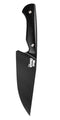
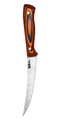
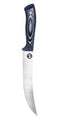
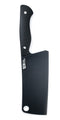



















If you want fork-tender venison with deep, clean flavor, you need to age it.
The aging meat process lets natural enzymes break down tough muscle fibers and collagen, turning firm, fresh meat into buttery, sliceable cuts. Do it right, and you’ll taste the difference in every bite.
As one half of the internet-famous Bearded Butchers, I’ve been preaching this for years. My brother and I recently put this principle to the test and aged the same deer for one day, one week, three weeks, and six weeks.
The difference between one day and one week was stunning. I wouldn’t have believed it if I hadn’t experienced it myself.
Where the Aging Meat Process Fits in Your Workflow
Aging meat isn’t a standalone step. It’s part of a clean, controlled process from field to freezer.
Field care comes first in the aging meat process. Cool the animal quickly. Heat is the enemy of tenderness and safety.
Keep your work clean and avoid dirt, hair, and gut contamination.
Transport requires keeping meat cold but not frozen. Target 34–38 degrees Fahrenheit throughout the trip. Good airflow around quarters helps prevent warm spots.
Storage and aging occur in a cold environment with airflow and stable humidity. Choose your method (dry or wet) and hold within the right window.
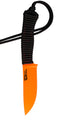
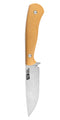
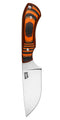
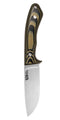
Butchering comes last. Use sharp, clean knives and deliberate cuts. Break down along natural seams and trim connective tissue.
This timing matters. You have a good three-to-four-hour window from recovery to getting meat into your chilled environment.
I’ve done it in as little as an hour when conditions were right. My son shot a doe on Monday evening, and I had it skinned and hanging in the cooler within an hour of his text.
Knife Technique for Wild Game Meat: Small Mistakes Create Big Problems
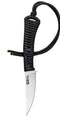
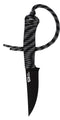
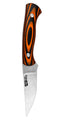
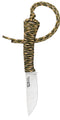
Tenderness starts with the blade. Clean knife work protects texture and flavor.
When you’re skinning, remove the hide but leave the membrane. We call it “rose meat” in our industry. It’s that thin, almost translucent white layer on the outside of the carcass. Leaving this intact helps protect the meat during the aging process.
A dull knife crushes fibers. A sharp edge slices clean and preserves texture.
Sanitize your tools and boards. Messy, contaminated cuts can introduce bacteria that ruins your aging.
On carcasses we’ve processed, you’ll always see that the flank area has all that protective membrane still intact. It makes a real difference. Good knife technique prevents problems before they start and sets your aging meat process up to shine.

Dry Aging vs. Wet Aging Wild Game Meat: What Actually Changes
Both aging meat processes use enzymes to relax the muscle and soften the collagen in your wild game meat. They differ in their environments and flavor outcomes.
Dry aging (three to seven days): Meat hangs or rests uncovered at 34 to 38 degrees Fahrenheit with 80 to 90 percent humidity and airflow. The surface dries into a protective rind while moisture loss concentrates flavor. You get a cleaner, slightly more robust taste with a tighter surface you’ll trim before butchering.
Wet aging (up to 21 days): Meat rests sealed in a vacuum bag at 34 to 38 degrees Fahrenheit with no moisture loss. Enzymes work in the meat’s own juices. You get a milder, very tender result with less concentrated flavor.
The biggest difference between these two aging meat processes is flavor. With dry aging, we find the flavor develops in a positive direction. You enhance the flavors you want while shedding off-flavors.
Meanwhile, wet aging gives you tenderness without that flavor concentration.
For wild game meat, dry aging in the three-to-seven-day window balances tenderness, flavor concentration, and safety. Wet aging can push tenderness further when you have reliable refrigeration and clean, airtight sealing, but it produces subtler flavor.
For five to seven days, the difference isn’t profound. But if I put a three-week dry-aged piece in front of you next to a wet-aged piece, you could tell the difference.
Cutting Wild Game Meat for Tenderness: Follow the Muscle, Cut the Grain
Understanding muscle structure makes every cut of your wild game meat easier to chew:
- Break down by seams. Separate muscles along natural connective lines instead of forcing new ones.
- Remove silverskin. It won’t soften in cooking. Trimming it now improves every bite.
- Cut across the grain. Shorten muscle fibers at the slicer, not on the plate.
- Right-size your portions. Smaller roasts and steaks age and cook more evenly.
If you process the meat right after harvest, it’s difficult to work with. The carcass needs time to set up. After proper aging, the meat firms up nicely. It’s easier to cut, grinds better, and has less excess moisture.
Home Setup for the Aging Meat Process: Ideal Windows and Conditions
You don’t need a commercial locker for aging windows, but you do need control.
Optimal conditions: 34–38 degrees Fahrenheit, 80–90 percent humidity, plus air movement to prevent stagnant pockets and surface spoilage.
Dry aging window: Three to seven days for wild game meat. Longer can work, but it demands tighter control and specialized equipment to hold steady humidity and airflow.
Wet aging window: Up to 21 days in sealed bags if your fridge stays in the 34–38 degree range.
If your fridge swings in temperature, limit the window. Stability beats ambition.
Never freeze during aging. Freezing stops enzymatic activity altogether.
You’re suspended in time with zero breakdown occurring. Ice crystals form in the meat and draw moisture back in. You’re inhibiting or reversing the process.
Aging Wild Game Meat Without a Walk-In Cooler
If you’re breaking down a deer and only have a refrigerator, keep the carcass in the largest chunks possible for dry aging. Less surface area means less drying.
If you pull the backstraps out and just set them in a refrigerator, the entire surface is exposed. That small muscle with no protective covering will dry out like a raisin.
For wet aging in a small compartment, chunk size matters less because you’re vacuum-sealed.
If you’re in a camp setting without power or refrigeration, place your wild game meat in a heavy-duty bag with zip ties before placing it in a cooler with ice. The bag acts as a protective barrier.
You do not want unprotected meat sitting in melting ice water. That moisture will turn your meat white and gray, and the texture will be off.
DIY Solutions for the Aging Meat Process
The helpful tools available now weren’t around even 10 years ago. A company called CoolBot makes a device that attaches to a window air conditioner and lets you run a small room as a cooler. Flower shops use them. So do home butchers.
You can also buy a cheap sensor from any department store to monitor temperature and humidity. Even a small fan circulating air inside the fridge helps prevent bacterial growth.
If you’re using a standard refrigerator, you can add humidity by placing a pan of water inside. Throw a towel over the side so it wicks the moisture up.
How to Know When Your Wild Game Meat Is Ready
Aged venison is ready when enzymes have softened the structure without compromising the surface:
- Surface feel: Dry-tacky rind indicates properly dry-aged cuts, while wet-aged wild game meat has no sliminess.
- Aroma: Properly aged meat smells clean, neutral, and slightly nutty for dry-aged cuts, but it will never smell sour or sweet-funky.
- Appearance: Even color, no dark wet spots or fuzzy growth. The carcass will develop a nice wine color, but you don’t want it turning dark brown or black.
- Firmness: When you try to move the leg, it feels firm. This firmness is not rigor mortis, but rather a carcass that has set up and is ready to process.
- What you don’t want to see: Off odors indicate a problem. Slimy, sticky areas mean bacteria.
White mold isn’t a huge concern, but you need to trim green, black, or brown mold immediately if you can’t prevent it from spreading.
Why Aging Wild Game Meat Pays Off
Too many hunters have never had a good piece of venison. Their whole carcass becomes jerky and ground meat. There’s a better way.
Control temperature, humidity, and airflow. Keep your knife work clean. Choose a method that fits your setup, and honor the right window.
Do that, and aging turns wild game tender, flavorful, and consistent, season after season.
I’ve been in this business a long time. I’ve had the pleasure of eating some really good meat over the years.
You can harvest and dry-age a piece of wild game meat that rivals any dish served in a steakhouse. The moisture retention when you cook properly aged venison is remarkable. You grill it, let it rest, and that moisture stays right where it belongs.

with The Bearded Butchers, Seth & Scott Perkins, CEOs of Whitefeather Meats and Bearded Butcher Blend Seasoning

