










Can you eat bear meat? What does bear taste like? If you’ve ever asked these questions, you’ve come to the right place.
My name is Brett Benton, and I’m the Customer Experience Manager here at Montana Knife Company. Bears have fascinated me my whole life, and when I moved out west in 2016, I set out to learn as much as I could about them. I’ve harvested seven bears over the last three years, and I’ve enjoyed the meat from every one.
In this blog post, I’ll share what I’ve learned about bear meat’s taste, nutrition, and handling, as well as the factors that affect your harvest.
Can You Eat Bear Meat? Clearing Up the Misconceptions
A small slice of hunters chase game for sport, but most of us hunt to fill the freezer with hard-earned, free-range, organic meat. However, many hunters picture deer and elk for that job, and bear slips off the radar.
So, do people eat bear meat? Absolutely, they do. Care for the meat and cook it right, and you get some of the best wild game you’ll ever put in your freezer.
A good fall bear can rival a cut of beef. A few stubborn myths just scare people off before they can give it a fair shot.
Some folks insist bear meat doesn’t taste good. I’ve eaten bear meat year-round for three years and enjoyed every bite. Any game animal can taste bad if you handle it wrong in the field. Bear meat runs hot under a thick layer of fat, so you have to cool it down quickly to protect its quality and flavor.
Another myth says you have to eat bear gray and well-done, but it’s not a myth as much as a misconstrued fact. It comes down to a parasite you cook out at the right temperature. That said, we can still cook it in ways that preserve tenderness and taste while ensuring the meat is safe to consume. We’ll get to that further down.
What Does Bear Meat Taste Like?
Bear meat is delicious, but its flavor is hard to pin down because it varies with the animal’s diet, the season, and how you cared for it in the field. Your cooking method affects the flavor, too. A bear steak seared in butter tastes different from smoked bear sausage or slow-cooked bear roast.
Most of the bears I’ve taken have been fall bears that gorged on wild berries. Those eat a lot like beef, but with a bolder, slightly sweet flavor. The fat on a fall bear puts it closer to beef and pork than to a lean game meat like venison.
A mountain bear fattening on berries and nuts tastes clean and mild. The closer you hunt to town, the better your odds of a “trash bear” that’s been raiding cans and dumpsters, and that one tastes like what it ate. Bears feeding on salmon or carrion pick up a strong, oily flavor. Spring bears run leaner than fall bears, with less fat to render and cook with.
Is Bear Meat Safe to Eat? Trichinosis and Cooking Temperatures
Bear meat is the leading source of trichinellosis, commonly called trichinosis, in the United States. You catch this parasitic infection by eating undercooked meat that carries Trichinella roundworms, and with bear meat, proper cooking isn’t optional.
A lot of hunters assume freezing solves the problem. For bear meat, it often doesn’t. Many bears, especially in the North and in Canada, carry a strain the CDC calls freeze-resistant. In a 2022 outbreak, larvae survived in bear meat after more than 15 weeks in a freezer, and six people got sick, including two who ate only the vegetables that shared a grill with the meat. The North Carolina health department traced a similar suspected outbreak to undercooked bear in 2023.
That’s why cooking bear meat is the only method you can trust. Current CDC guidance puts the safe internal temperature for wild game like bear above 165 degrees Fahrenheit. Cook all bear meat to a minimum of 165 degrees, or 160 degrees with a five-minute rest, and check the thickest spots with a thermometer so every part gets there.
Smoking, salting, curing, and drying don’t reliably destroy the parasite, which catches a lot of people off guard. Homemade jerky and sausage have caused outbreaks. If you grind bear jerky or make sausage, cook the finished product to temperature like any other bear meat.
I’ve experimented with sous vide and lower finish temperatures to keep a bear steak tender. In theory, cooking the bear meat for longer at a slightly lower temperature should eliminate the parasite, but do this at your own risk. I’ve never gotten sick doing it this way, but I’m also not a food safety expert.

How to Care for Bear Meat in the Field
You make or lose good bear meat in the first hour after the shot, long before it reaches a pan. Bears run hot and wear a thick coat of insulating fat. Your first job after the takedown is to cool that bear meat down quickly.
As you gut the animal, keep the meat away from the stomach, intestines, and bladder. Any contact with stomach acid or urine taints the flavor and invites spoilage. Skin the bear promptly to let the heat escape, then move the meat into game bags and onto ice or into a cold creek as soon as you can.
Trim the fat before you pack out, or at least before you freeze. Bear fat earns a spot in your pack in its own bag, since it renders into a clean cooking oil, but if you leave it on the meat in the freezer, it can go rancid and taint the whole package.
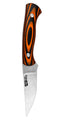
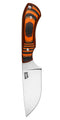
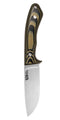
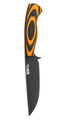
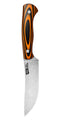
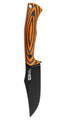
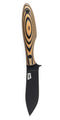
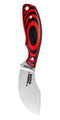
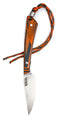
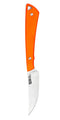
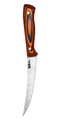
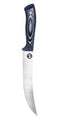
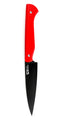
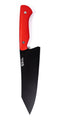
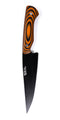
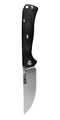
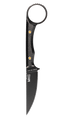
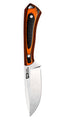
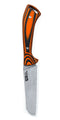
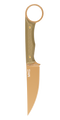
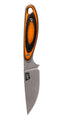
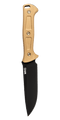
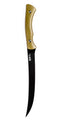
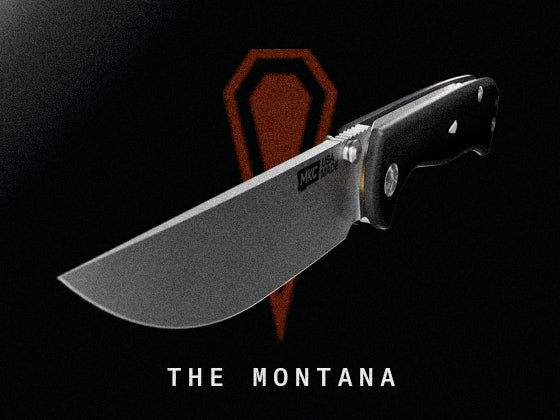
This is detailed knife work, and the right blade makes field dressing your bear a breeze. We designed and tested our Beartooth with Alaskan bear guide Cole Kramer for this exact job. It pairs 52100 ball bearing steel with a grippy G10 handle, and its flexible 5 3/4-inch blade skins and fleshes large hides without fighting you.
Bear Meat Nutrition: Bear vs. Venison vs. Beef
Bear meat is a strong source of protein and iron, and it has less total and saturated fat than beef. The numbers below compare a fall bear to venison and beef, per 100 grams (about 3.5 ounces).
|
Per 100 grams |
Bear |
Venison |
Beef |
|
Calories |
155 |
158 |
250 |
|
Protein |
20.1 g |
30 g |
26 g |
|
Fat |
8.3 g |
3.2 g |
10 g |
|
Saturated fat |
3.3 g |
1.3 g |
6 g |
|
Iron |
7.2 mg |
4.5 mg |
3.5 mg |
|
Zinc |
4.9 mg |
3.5 mg |
3.5 mg |
Bear meat has more iron than venison or beef, and it comes in lower in calories than beef. Venison is the leanest of the three, which is part of why a fattier fall bear cooks and tastes closer to beef or pork than to deer.

Best Ways to Cook Bear Meat
Since bear meat cooks up a lot like pork and beef, you can drop it into almost any dish where you’d use those meats. Match the cut to the method, then commit to low, slow heat that brings the whole piece up to a safe temperature without drying it out.
The hindquarters, or hams, are big, lean muscles that love a slow roast and pull apart into shredded dishes. The backstraps and tenderloins are the most tender cuts on the animal and make a fine whole roast when you cook them through. The front shoulders and any tougher trim grind well into burger, meatballs, chili, and taco meat. Bear meat takes well to a smoker, to stews, and to braises, where time and moisture turn a hardworking muscle tender.
Ground bear meat shines in Asian, Mexican, and Italian dishes. I make ground bear meatballs over white rice and a bear meat sauce for spaghetti, and we’ll roll bear skirt steaks into burritos. As born-and-raised Southerners, my wife and I love bear sausage links in a good gumbo, with a little rendered bear fat in the roux.
Bear Hunting Regulations to Keep in Mind
You can legally possess and eat bear meat across the United States, but almost every state bans selling or bartering wild game meat. If you want bear meat in your freezer, hunt it yourself or get it from a hunter who did.
From there, the rules vary. Seasons, tag and license requirements, baiting laws, harvest reporting, and which parts of the animal you have to salvage all differ by state and change from year to year. Some states require you to pack out the bear meat, not just the hide and skull.
Check your state wildlife agency’s current regulations before you plan a bear hunt, and again before the season opens, since agencies update them often.
Frequently Asked Questions About Bear Meat
Can bear meat give you trichinosis?
It can, if you eat it undercooked. Bears are the top source of trichinosis in the U.S. Cook all bear meat to at least 165 degrees Fahrenheit, or 160 degrees with a five-minute rest, and don’t lean on freezing since many bear strains resist it.
Does bear meat taste gamey?
It depends on the bear. A fall bear feeding on berries and nuts tastes clean, slightly sweet, and close to beef. A bear that’s been into salmon, carrion, or trash tastes stronger. Trimming the fat and silverskin, plus cooling the meat fast in the field, goes a long way toward a milder flavor.
Is bear meat fatty?
A fall bear carries a thick fat layer and eats richer than venison, closer to beef or pork. Render that fat down, and it makes a clean cooking oil for searing, frying, and even pie crust. Trim it off before freezing, though, since bear fat can turn rancid in the freezer.
Is it legal to eat bear meat?
Yes, you can legally eat and possess bear meat throughout the U.S. Selling it is off-limits almost everywhere. Always follow your state’s hunting and harvest regulations.
A fall bear you’ve cared for can earn its spot in the freezer right alongside elk and deer. Handle it clean, cook it through, and you’ll taste exactly why.
by Brett Benton, Customer Experience Manager at Montana Knife Company, Vice President & Co-Founder of The Campfire Fund